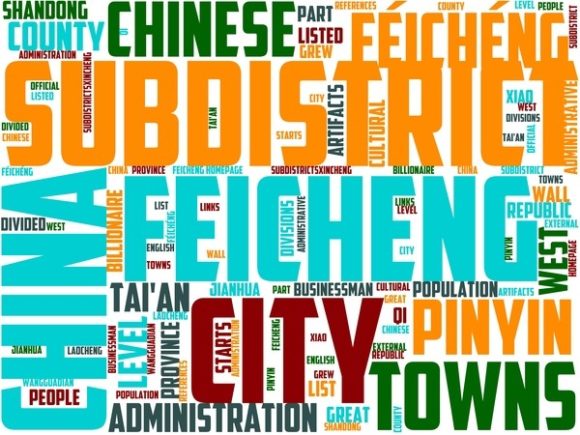
Feicheng Wordart Print: A Hand-Drawn Word Cloud Asset for Thoughtful Design Applications
Feicheng Wordart Print stands out among digital word cloud resources not because it’s algorithmically generated or data-driven, but because it’s intentionally hand-drawn—crafted with visible line work, organic spacing, and a cohesive color palette that feels both expressive and intentional. Unlike many vector-based word clouds designed for quick data visualization, this asset is built for visual communication: to inspire, decorate, and reinforce messaging across physical and digital touchpoints. Its value lies in its human texture and adaptability—not in scalability alone, but in how well it integrates into design workflows where authenticity and aesthetic harmony matter.
What Sets Feicheng Wordart Print Apart
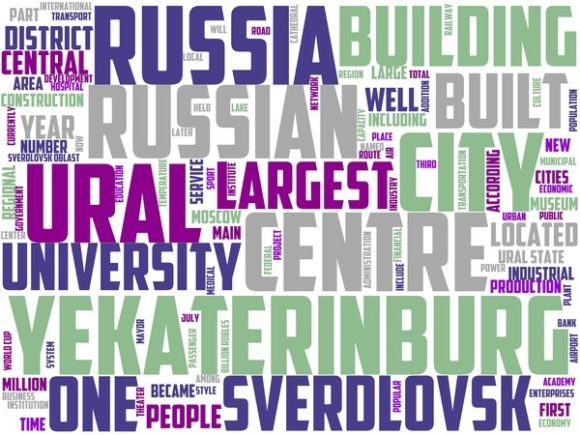
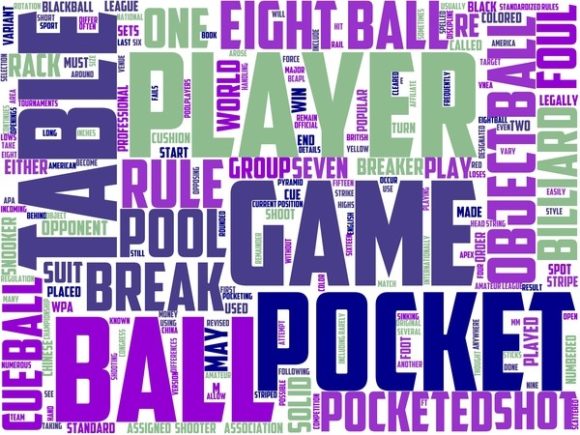
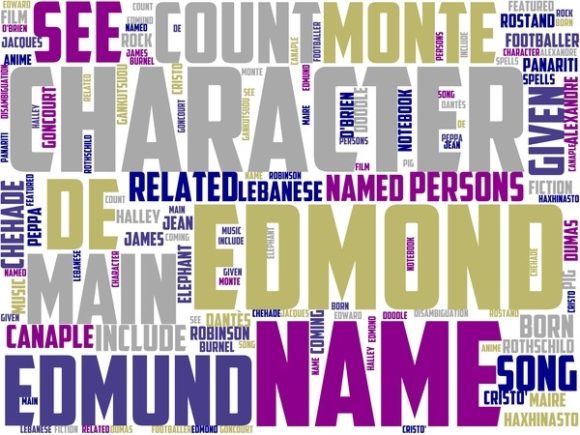
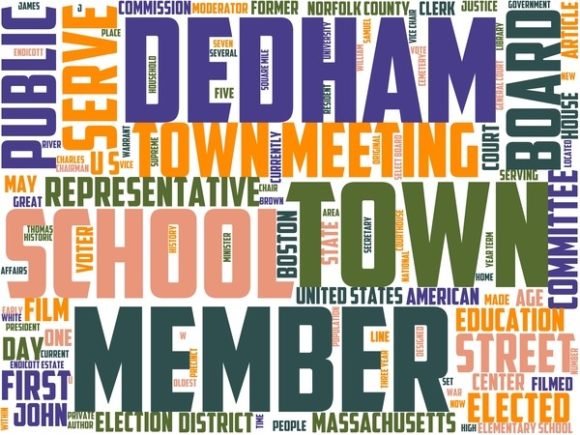
At its core, Feicheng Wordart Print is a high-resolution, layered vector file (typically delivered in AI, EPS, and SVG formats) featuring a curated set of inspirational or thematic words arranged in a balanced, non-linear composition. The hand-drawn quality is evident in subtle variations in stroke weight, slight irregularities in letterforms, and the deliberate placement of overlapping elements—details that avoid the sterile uniformity common in automated tools. Colors are harmonized rather than randomized: soft pastels, earthy tones, or vibrant yet coordinated hues that hold up equally well on fabric dye, matte paper, or ceramic glaze.
This isn’t a template you populate with your own text—it’s a finished composition meant to be used as-is or adapted with restraint. That distinction matters: it shifts the use case from functional labeling to intentional visual storytelling. Designers who’ve worked with Feicheng Wordart Print report that its strongest applications occur when the message needs emotional resonance more than lexical precision—think wellness branding, educational materials for younger audiences, boutique retail packaging, or mindfulness-themed stationery.
Practical Strengths Across Mediums
One of the most consistent observations from users is how reliably Feicheng Wordart Print translates across substrates. On cotton tees and tote bags, the linework holds clarity even at 8–10 cm width; on ceramic mugs, the color blocks resist bleeding during sublimation; and on kraft paper tags or notebook covers, the hand-drawn texture enhances tactile appeal without competing with typography elsewhere on the layout.
The asset includes clean vector paths and separated color layers—making it straightforward to adjust individual word colors, isolate elements for die-cutting, or convert portions to foil-stamped areas in print production. It also scales cleanly up to poster size (A1 and beyond) without pixelation or stroke distortion, a practical advantage over raster-based alternatives. Importantly, the composition avoids extreme density: words remain legible at small sizes (down to ~6 mm height), which supports use on business cards, magnets, or embroidered patches where detail retention is constrained.
Real-World Use Cases That Deliver Results
- Textile designers have applied Feicheng Wordart Print to scarf prints and quilt labels—using selective color swaps to match seasonal palettes while preserving the original rhythm of the layout.
- Educators and curriculum developers integrate sections of the word cloud into printable worksheets and classroom posters, finding that students respond more positively to the warmth of hand-drawn language than to sterile sans-serif arrangements.
- Small-batch makers (jewelry designers, candle artisans, ceramicists) use cropped segments as focal graphics on product tags and packaging inserts—adding brand personality without requiring custom illustration.
- Marketing teams running local campaigns repurpose the layout across flyers, social banners, and event signage—maintaining visual continuity while adjusting only background color or supporting copy.
Who Benefits Most—and When It Might Fall Short
Feicheng Wordart Print serves professionals who prioritize craft-aligned aesthetics over speed-of-customization. It fits naturally into workflows where consistency, tone, and visual cohesion are strategic priorities—not just stylistic preferences. Freelance surface pattern designers, indie publishers building cohesive book series identities, and boutique studio owners developing signature merchandise lines frequently cite it as a time-saver: one asset that performs well across multiple output formats without needing rework for each medium.
That said, it’s less suited for projects requiring dynamic content updates. If your campaign rotates keywords weekly or depends on real-time data input (e.g., live event hashtags), Feicheng Wordart Print won’t replace a parametric tool. Likewise, if your brand guidelines mandate strict typographic control—such as exclusive use of a proprietary font family—its hand-lettered forms may require careful integration rather than drop-in use. Users also note that while the color palette is thoughtfully assembled, recoloring more than three major sections simultaneously can shift the balance of the composition, so minor adjustments tend to yield better results than wholesale overhauls.
Quality, Consistency, and Long-Term Utility
Files are consistently delivered with embedded fonts converted to outlines, CMYK-ready color swatches, and clearly labeled layers—practices that reflect professional production standards. There’s no placeholder text, missing assets, or inconsistent naming conventions across versions. This reliability reduces prepress troubleshooting, especially for print service providers unfamiliar with the file origin.
In terms of longevity, Feicheng Wordart Print avoids trend-dependent motifs (e.g., heavy gradients, exaggerated shadows, or ultra-thin line weights) that date quickly. Its strength is in quiet confidence: the kind of graphic element that remains relevant across seasons because it doesn’t shout—it invites closer looking. Designers revisiting projects six months later often find they can reuse the same asset with new context—pairing it with different photography, updated layouts, or complementary icons—without it feeling repetitive.
Recommendations for Effective Integration
- Start with purpose, not placement. Ask: Does this word cloud reinforce an existing message—or does it need to carry the message itself? If the latter, ensure surrounding copy is minimal and supportive.
- Test contrast early. While the hand-drawn style reads well on light backgrounds, verify legibility against dark or textured substrates before finalizing production files.
- Leverage layer separation intelligently. Isolate key words to serve as standalone icons (e.g., “Create” as a stamp on a journal cover) or combine adjacent phrases into custom banners for social media.
- Respect the rhythm. Avoid stretching or rotating the entire composition—its balance relies on natural spatial relationships. Cropping is safer and more effective than transformation.
For creators balancing efficiency with intentionality, Feicheng Wordart Print occupies a useful middle ground: it’s more distinctive than generic clip art, yet more immediately deployable than commissioning custom lettering. It works best when treated not as decoration, but as a considered visual voice—one that adds warmth, clarity, and quiet authority to products and communications aimed at thoughtful audiences.