Edmond Wordart Print: A Hand-Drawn Word Cloud for Versatile Creative Projects
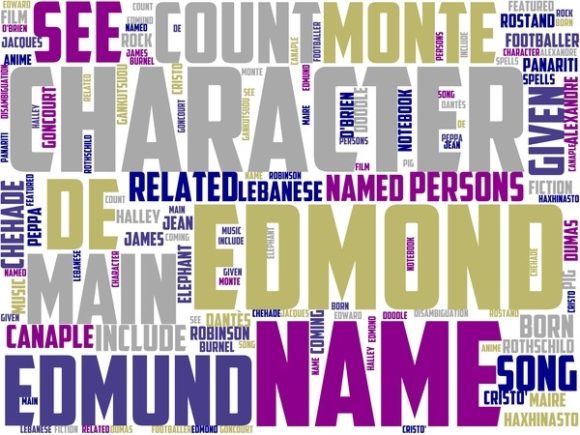
Edmond Wordart Print is a hand-drawn, colorful word cloud designed as a ready-to-use digital asset—not a generative tool or web app, but a curated visual element with intentional composition and organic charm. Unlike algorithmically generated word clouds, it features balanced spacing, varied letterforms, thoughtful color layering, and natural flow. It’s delivered as a high-resolution PNG with transparent background and often includes vector (SVG/EPS) versions—making it suitable for both print and digital workflows without quality loss.
What Sets This Word Cloud Apart from Generic Alternatives
Many word clouds prioritize data visualization over aesthetic cohesion. Edmond Wordart Print flips that priority: it’s built for design first. The words—often inspirational, thematic, or brand-aligned—are arranged not by frequency weight, but by visual rhythm and legibility. Each letter is subtly textured, with soft edges and slight irregularities that reinforce its hand-drawn origin. Colors are harmonized across warm and cool tones, avoiding oversaturation while maintaining vibrancy at small and large scales.
This attention to craft translates directly into usability. When placed on a cotton tote bag, the word cloud holds clarity even after screen printing. On a matte-finish notebook cover, the colors remain distinct without bleeding or muddying. And in digital contexts—like an Instagram story overlay or eBook chapter header—it retains character without requiring heavy post-processing.
Practical Applications Across Industries and Roles
Professionals working across creative, marketing, and educational domains find consistent utility in Edmond Wordart Print. Here’s how it fits real workflows:
- Small business owners use it as a centerpiece for seasonal sale banners—layered over neutral backgrounds with minimal supporting text. One bakery owner reported higher engagement on Instagram posts featuring the word cloud alongside “Fresh • Local • Handmade” when paired with product photography.
- Educators and curriculum designers integrate it into printable classroom posters—especially for social-emotional learning themes like “Respect • Listen • Grow”—because students respond more readily to illustrated language than plain typography.
- Textile and accessory designers scale and crop sections of the layout to create repeating motifs for scarves or ceramic mug wraps. Its non-uniform density avoids the “tile fatigue” common with rigid geometric patterns.
- Self-publishers and indie authors apply it to book covers for memoirs, journals, or wellness guides where tone matters more than literal subject matter. It signals warmth and approachability without dictating genre.
It also functions well in mixed-media contexts: collaged into scrapbook pages, embossed onto greeting cards using foil stamping dies, or laser-cut as layered acrylic jewelry components. Because the original file includes clean vector paths, designers can isolate individual words or letters for custom typography treatments—something difficult with raster-only assets.
Quality and Technical Considerations
Files are delivered at 300 DPI for print and include scalable vector formats, ensuring fidelity across applications—from 2-inch enamel pins to 48-inch trade show backdrops. Color mode is typically RGB for digital use and CMYK-ready for offset printing (with embedded profiles). No fonts are required—the text is fully outlined, eliminating licensing complications or substitution risks.
That said, flexibility has boundaries. Because it’s a fixed composition, Edmond Wordart Print isn’t editable in terms of word order, size hierarchy, or core vocabulary. You cannot swap “Joy” for “Clarity” without manual redrawing or masking—so it works best when the existing set aligns closely with your message. Some users supplement it with complementary hand-lettered phrases or minimalist icons rather than trying to force edits.
Also worth noting: the hand-drawn aesthetic carries subtle variance. What reads as expressive on a poster may feel too informal for corporate annual reports or legal firm branding. It thrives in contexts where authenticity, warmth, and human touch are strategic assets—not where precision, austerity, or neutrality are required.
Who Benefits Most—and When It Might Not Fit
The strongest fit is with creators who value design integrity but lack time or specialized illustration skills to develop custom typographic art. Freelance graphic designers use it as a reliable “bridge element” between client briefs and final deliverables—especially during early mood board stages or when tight deadlines limit iteration time. Bloggers building branded printables appreciate how it adds visual distinction to free downloads without demanding custom illustration budgets.
It also serves entrepreneurs launching lifestyle brands—think candle makers, yoga studios, or stationery lines—where cohesive, tactile-feeling visuals help establish identity across packaging, web, and social channels. In those cases, Edmond Wordart Print often anchors a broader visual system: used consistently across product tags, thank-you cards, and email headers, it reinforces recognition without repetition fatigue.
Conversely, it’s less suited for highly technical or regulated industries—such as medical device marketing or financial compliance materials—where clarity, hierarchy, and strict brand guidelines leave little room for illustrative interpretation. Similarly, teams relying heavily on automated design systems (e.g., dynamic template engines in Canva or Adobe Express) may find limited integration pathways, since it’s not built as a plug-in or API-connected resource.
Integrating Edmond Wordart Print Into Your Workflow
Start by reviewing the included file variants. If you’re preparing for screen printing, verify the PNG version’s contrast levels against your fabric color swatches—some light-on-light combinations lose impact without careful testing. For digital use, check how anti-aliasing renders at smaller sizes; occasionally, subtle texture can blur on low-DPI displays, so consider a simplified version for mobile-first assets.
When combining with photography or complex backgrounds, use blending modes like Multiply or Overlay instead of dropping heavy drop shadows—this preserves the hand-drawn softness. And if adapting for monochrome output (e.g., black-and-white flyers), convert using luminosity-based grayscale rather than desaturation to retain tonal separation between overlapping words.
Finally, consider pairing it with restrained supporting type. Since Edmond Wordart Print already carries strong visual personality, serif or sans-serif body copy should be clean and neutral—think Lora, Inter, or Source Sans Pro—to avoid competing for attention.
A Resource That Grows With Your Projects
Edmond Wordart Print doesn’t promise transformation—but it reliably delivers polish. It’s the kind of asset that earns quiet returns: a notebook design that sparks conversation at a conference, a workshop handout that feels more inviting than standard templates, or a limited-run t-shirt that resonates enough to generate organic social shares. Its longevity comes from intentionality, not trend-chasing—its palette avoids fads, its line work resists digitization fatigue, and its structure supports reuse without feeling stale.
For professionals balancing creativity with constraints—whether time, budget, or technical scope—it offers a practical shortcut to distinctive, human-centered design. Not every project needs it. But when your goal is warmth, cohesion, and visual resonance—without reinventing the wheel—it’s a quietly effective choice.