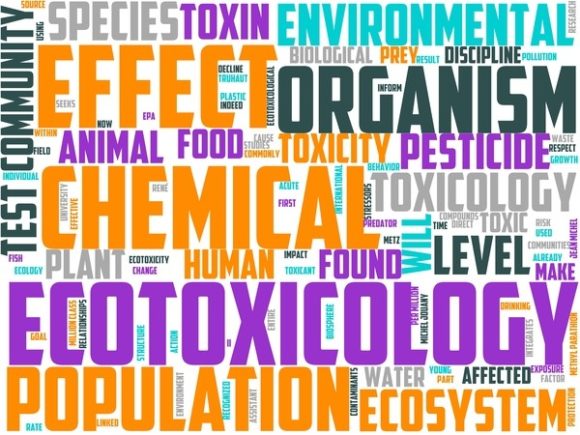
Ecotoxicology Wordart Background: Where Science Meets Creative Expression
Ecotoxicology Wordart Background isn’t just a decorative asset—it’s a thoughtful fusion of scientific literacy and visual storytelling. At its core, it’s a hand-drawn, colorful wordcloud built around key terms like bioaccumulation, biomonitoring, endocrine disruption, ecosystem resilience, and chemical persistence. Unlike generic clipart or algorithmically generated clouds, this design is intentionally crafted: each word is placed with spatial intention, weighted by relevance, and rendered in warm, earthy tones balanced with vibrant accents—evoking both the gravity of environmental science and the optimism of human agency.
Why This Design Resonates Now
Today’s creators—from sustainability educators to eco-conscious apparel brands—are moving beyond slogans and stock imagery. Audiences are more informed, more skeptical of greenwashing, and more responsive to authenticity. A hand-drawn Ecotoxicology Wordart Background signals care in execution and clarity in purpose. It doesn’t oversimplify complex topics; instead, it invites curiosity. When printed on a tote bag or woven into a notebook cover, it sparks conversation—not because it shouts a message, but because it quietly holds space for nuance.
This shift mirrors broader cultural movement: people increasingly seek meaning in the objects they use daily. A coffee cup featuring this wordcloud isn’t just functional—it reflects values. A workshop handout illustrated with it conveys credibility without jargon overload. That alignment between content, craft, and context is why designers, science communicators, and small-batch makers are turning to intentional, subject-specific visuals like this one.
More Than Decoration: Functional Flexibility Across Mediums
The Ecotoxicology Wordart Background was designed with real-world versatility in mind—not as an afterthought, but as a foundational requirement. Its vector-based, high-resolution format ensures crisp reproduction whether scaled down for a business card or enlarged for a 48" x 36" poster. The hand-drawn aesthetic retains warmth even in digital formats, making it equally effective on social media banners, e-book chapter headers, or printable classroom resources.
- Clothing & Textiles: Printed on organic cotton tees or linen scarves, the wordcloud becomes wearable advocacy—subtle enough for academic conferences, expressive enough for climate rallies.
- Educational Tools: Teachers embed it into lesson plans on pollution or biodiversity units; students use it as a visual anchor while researching case studies like the Great Lakes mercury cycle or neonicotinoid impacts on pollinators.
- Packaging & Branding: Eco-product startups use it in label backgrounds or QR-linked packaging inserts—adding depth to sustainability claims without cluttering the primary message.
- Home & Lifestyle: Framed as wall art in labs, classrooms, or wellness studios, it grounds spaces in ecological awareness—neither clinical nor clichéd.
What makes it especially practical is its adaptability across workflows. Designers import it directly into Adobe Illustrator or Affinity Designer for layout refinement. Educators drop it into Canva or Google Slides with no loss of fidelity. Print-on-demand sellers integrate it into mockups for mugs, pillows, or stickers—knowing color separation and bleed margins are already optimized.
How It Fits Modern Creative & Professional Needs
Freelancers and small studios face tighter timelines and higher expectations. Clients want originality, brand alignment, and quick turnaround—without sacrificing substance. An Ecotoxicology Wordart Background meets that need by offering a ready-made, topic-specific visual that still feels bespoke. It saves hours of custom illustration time while delivering thematic precision most generic assets can’t match.
For marketers launching a campaign around Earth Day, World Water Day, or a new line of biodegradable lab supplies, this background provides immediate visual cohesion. Pair it with minimalist typography and a muted palette, and you’ve got a cohesive suite of assets—flyers, email headers, Instagram carousels—all rooted in the same conceptual foundation. No need to reinvent the visual language for every channel.
Similarly, researchers and nonprofit staff often lack dedicated design support. This wordcloud gives them a professional-grade starting point—something that communicates rigor and care without requiring design expertise. A grant application appendix illustrated with it stands out not for flashiness, but for clarity of focus.
Thoughtful Evolution: From Data Visualization to Human-Centered Design
Wordclouds have long been used in ecotoxicology research—for example, visualizing keyword frequency in literature reviews or policy documents. But early versions were often flat, monochrome, and algorithm-driven—prioritizing data density over emotional resonance. What sets the Ecotoxicology Wordart Background apart is its evolution toward human-centered design principles: legibility at multiple scales, inclusive color contrast (tested against WCAG 2.1 AA standards), and intentional white space that prevents cognitive overload.
This reflects a larger trend in science communication: moving away from “dumbing down” toward “opening up.” Instead of hiding complexity behind simplified icons, this design acknowledges complexity—and makes it approachable through craft. The slight irregularity of hand-drawn lettering, the organic flow of word placement, and the careful balance of saturated and desaturated hues all signal humanity behind the science.
Realistic Use Cases You Can Implement Today
You don’t need a full rebrand or a marketing budget to benefit. Here’s how professionals across fields are using it—practically and effectively:
- Educators: Create a reusable “Ecotoxicology Vocabulary Wall” in physical or digital classrooms—print the wordcloud on matte paper, laminate it, and add removable labels for definitions or student-generated examples.
- Bloggers & Content Creators: Use cropped sections as section dividers in long-form posts about chemical regulation, soil health, or microplastic research—adding visual rhythm without distracting from text.
- Small Business Owners: Feature a simplified version (e.g., only 5–7 core terms) on product tags for natural skincare lines or water-testing kits—reinforcing ingredient transparency and environmental responsibility.
- Event Planners: Integrate it into digital programs or printed agendas for sustainability summits, university symposia, or community clean-up launches—creating continuity across touchpoints.
- Hobbyists & Makers: Trace or stencil elements onto ceramic mugs, embroider select words onto linen pouches, or layer transparent prints over handmade paper for botanical-themed greeting cards.
Importantly, none of these uses require licensing negotiations or attribution overhead. The design is built for direct, ethical reuse—within personal, educational, and commercial contexts—as long as the integrity of the original intent remains intact.
A Resource That Grows With Your Practice
Unlike static templates, the Ecotoxicology Wordart Background supports iterative creativity. You can isolate individual words to build custom phrases (“Resilient Waters,” “Soil First,” “Measure Twice, Regenerate Once”). You can recolor segments to align with seasonal campaigns or organizational palettes. You can combine it with complementary illustrations—like hand-drawn aquatic plants or molecular structures—to deepen narrative layers.
That flexibility matters because creative needs evolve. A researcher presenting at a technical conference may use the full cloud in a slide footer. The same person teaching undergraduates might extract just three terms and pair them with annotated diagrams. And later, when launching a public-facing podcast on environmental health, they might animate subtle transitions between those same words—using the original artwork as a consistent visual throughline.
In short, this isn’t a one-off graphic. It’s a foundational element—a quiet, confident voice in your visual vocabulary. One that speaks fluently to both the urgency of ecological challenges and the creativity required to meet them.