Duxbury Wordart Sticker: Hand-Drawn Word Clouds That Bring Authenticity to Modern Design
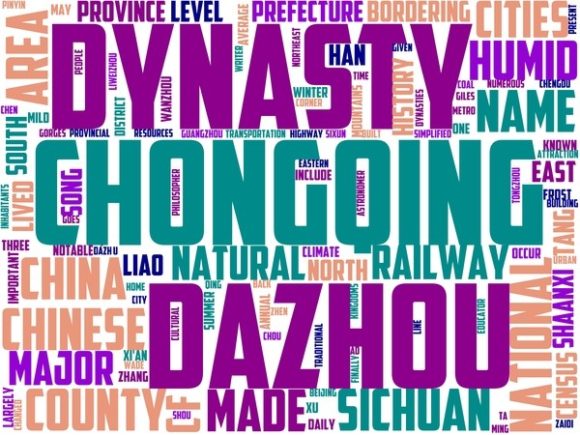
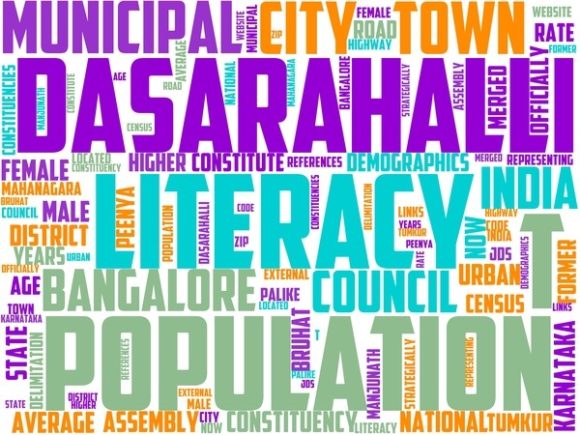
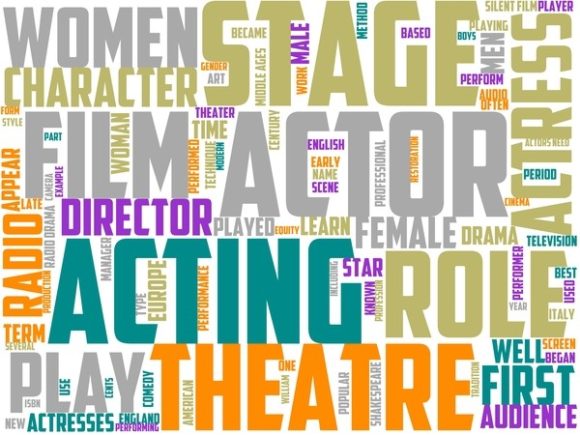
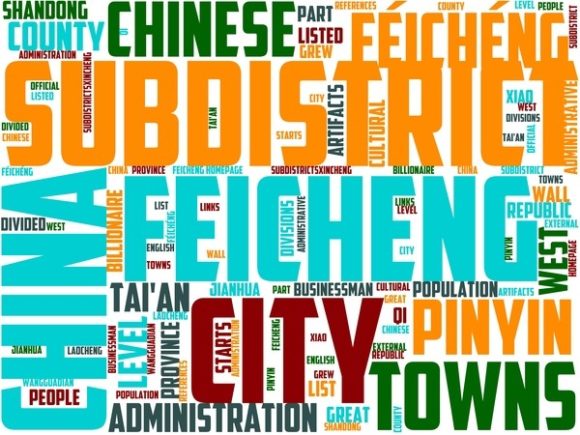
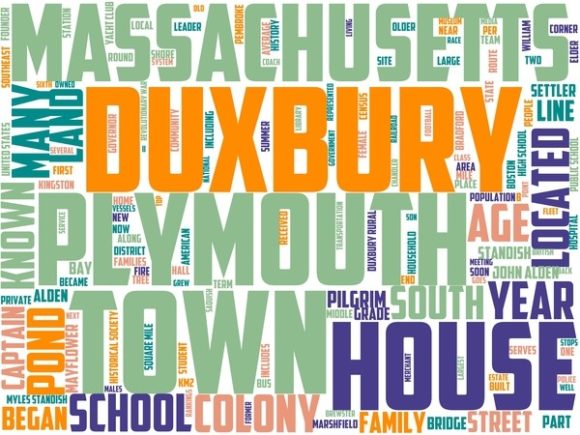
There’s a quiet shift happening across creative workflows—from corporate marketing teams to indie crafters, educators designing classroom resources to small-batch apparel makers. People are moving away from overly polished, algorithmically generated visuals and toward design elements that feel intentional, human, and tactile. Enter the Duxbury Wordart Sticker: a hand-drawn, colorful word cloud built not for data visualization, but for emotional resonance and visual storytelling.
Unlike standard word clouds that prioritize frequency or hierarchy through font size alone, this version embraces imperfection—slight variations in line weight, organic spacing, playful letterforms, and a warm, inclusive color palette. It’s designed to be more than decoration; it’s a flexible, expressive tool that invites interaction, personalization, and context-aware application.
Why Hand-Drawn Word Art Fits Today’s Creative Landscape
Modern audiences respond strongly to authenticity—not as a buzzword, but as a measurable quality. Studies in visual communication show that hand-rendered elements increase perceived trustworthiness and approachability, especially in digital-first environments where users scroll past dozens of uniform, AI-assisted graphics each day. The Duxbury Wordart Sticker taps directly into this preference: its slight irregularities signal care, time, and human judgment—qualities increasingly rare and valued.
This aligns with broader trends in both professional and personal making. Designers are integrating analog textures into digital deliverables. Educators use illustrated word clouds to support vocabulary retention and emotional literacy. Small businesses lean into “slow design” principles—choosing fewer, more meaningful assets over volume. Even packaging and textile designers are favoring layered, narrative-driven motifs over minimalist repetition. In each case, the Duxbury Wordart Sticker functions not as filler, but as a grounded anchor—a visual pause that invites attention without demanding it.
From Static Graphic to Multi-Use Creative Asset
What makes the Duxbury Wordart Sticker particularly useful is its deliberate versatility. It wasn’t created for one medium or moment—it was built to travel across surfaces, scales, and intentions. You’ll find it used thoughtfully on:
- Clothing and accessories, where its organic lines soften structured silhouettes—think embroidered patches on denim jackets or screen-printed tees for wellness brands;
- Promotional materials, like event banners or workshop flyers, where it replaces generic taglines with layered, thematic language (e.g., “curiosity • clarity • courage” for a leadership retreat);
- Home décor items, including ceramic mugs, linen pillowcases, and framed prints—where its warmth complements natural materials and lived-in spaces;
- Educational tools, such as classroom posters or student notebooks, supporting visual learning without overwhelming cognitive load;
- Print-on-demand product lines, where creators scale the same asset across magnets, stickers, greeting cards, and tote bags—maintaining brand cohesion without redesigning from scratch.
This adaptability isn’t accidental. The file structure supports high-resolution printing and clean vector scaling, while the color palette is intentionally accessible—tested for contrast and legibility across light and dark backgrounds. That means a designer can drop it into Canva for a social media graphic, import it into Adobe Illustrator for packaging mockups, or trace it by hand onto fabric for a custom embroidery project—all without losing integrity.
How It Supports Real Workflows—Not Just Aesthetic Trends
For professionals juggling tight deadlines and shifting priorities, efficiency matters—but so does intentionality. The Duxbury Wordart Sticker bridges that gap. Rather than spending hours building a custom typographic layout from scratch, a marketer can select a pre-designed cluster of words related to resilience, community, or creativity, then easily swap in relevant terms using editable layers. A teacher might print it on sticker paper and let students annotate or rearrange key concepts during a reflection activity. A product designer could overlay it subtly onto a fabric swatch to suggest mood before committing to full-scale textile development.
It also responds well to collaborative environments. Because the visual language is clear but open-ended, team members across disciplines—copywriters, UX researchers, product managers—can engage with the same asset without needing design training. One person focuses on word choice and meaning; another handles placement and proportion; a third considers how it translates across physical and digital touchpoints. That shared reference point reduces misalignment and speeds up iteration.
Thoughtful Customization Without Compromising Craft
Customization is expected today—but not all customization preserves quality. Many editable templates sacrifice nuance for flexibility. The Duxbury Wordart Sticker avoids that trap. Its hand-drawn nature means changes must be made deliberately: swapping out a word may require adjusting adjacent spacing or re-balancing color weight. That constraint, counterintuitively, encourages better decisions.
For example, a wedding planner using it for invitation suites might replace “adventure” with “together,” then adjust surrounding words to maintain visual rhythm—not just font size, but stroke thickness and curve direction. That level of attention reinforces brand voice and emotional tone in ways automated tools rarely achieve.
Similarly, when used in scrapbooking or mixed-media art, the sticker’s texture invites layering: stamping over it, stitching around its edges, or collaging behind translucent vellum. Its design anticipates real-world making—not just pixel-perfect screen display.
Where This Fits in the Larger Shift Toward Meaningful Making
We’re seeing a steady rise in what some call “mindful production”—a practice that values process as much as output. Whether it’s choosing sustainable materials, supporting independent creators, or selecting assets that reflect genuine values, people are curating their creative ecosystems with greater awareness. The Duxbury Wordart Sticker fits naturally here. It doesn’t promise speed at the cost of soul. It doesn’t claim universality while erasing individuality. Instead, it offers a starting point rooted in craft—with room for users to shape it, respond to it, and make it their own.
This isn’t about rejecting technology. It’s about using tools that serve human goals first: connection, clarity, inspiration. When a small business owner selects this word cloud for their product tags, they’re not just choosing a visual—they’re signaling care in curation. When an educator uses it on a classroom poster, they’re reinforcing that language is alive, evolving, and worthy of thoughtful representation.
Practical Next Steps for Creators and Teams
If you're considering integrating the Duxbury Wordart Sticker into your work, start small—and stay specific:
- Identify one recurring need: Is it refreshing your social media templates? Updating workshop handouts? Designing seasonal merchandise? Pick the area where visual consistency and emotional tone matter most.
- Test readability at scale: Print it at actual size on your intended surface—whether that’s a 2-inch sticker or an 18-inch poster—and assess legibility, balance, and impact under real lighting conditions.
- Document your adaptations: Keep notes on which words you swapped, why, and how users responded. Over time, this builds a living style guide—not rigid rules, but observed patterns of what resonates.
- Respect its handmade roots: Avoid over-processing. Let the linework breathe. If adding effects, choose ones that enhance—not obscure—the original gesture and rhythm.
The Duxbury Wordart Sticker won’t replace every typographic solution. But in moments where warmth, clarity, and quiet confidence matter—on a handmade gift tag, a conference program, a therapist’s waiting room poster, or a founder’s pitch deck—it offers something increasingly rare: design that feels like it was made for people, by people.