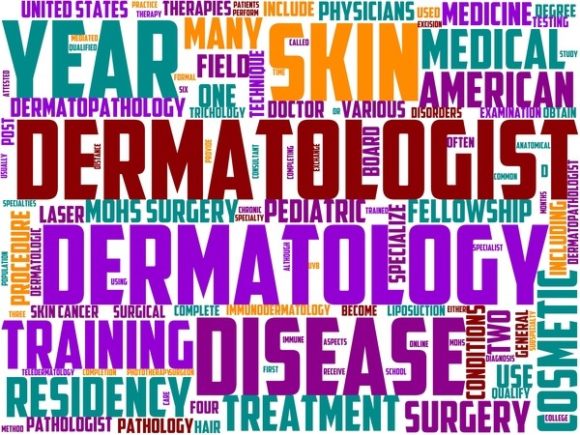
Dermatology Wordart Print
Imagine a vibrant, hand-drawn wordcloud where terms like “clarity,” “balance,” “skin barrier,” “hydration,” “gentle,” and “resilience” swirl together in thoughtful color and organic line work—not as clinical jargon, but as visual affirmations. That’s the heart of a Dermatology Wordart Print: a design tool rooted in science yet built for expression. It’s not just typography arranged decoratively—it’s intentional visual language, crafted to resonate with both professionals and everyday people who care about skin health, self-care rituals, or wellness communication.
What Makes This Wordart More Than Just Pretty Text?
Unlike generic word clouds generated by algorithms, this Dermatology Wordart Print is hand-illustrated—each word shaped with subtle variation in weight, spacing, and flow. The palette leans into calming blues, soft earth tones, and warm botanical accents—not sterile whites or harsh contrasts—so it feels grounded, trustworthy, and human-centered. Words are selected for relevance and resonance: “ceramides,” “niacinamide,” “non-comedogenic,” “microbiome,” “sun-safe,” “patch test,” “barrier repair”—terms that matter to dermatologists, estheticians, formulators, and informed consumers alike.
Its value lies in its duality: it’s both informative and inviting. It doesn’t shout—it invites closer looking. That makes it unusually flexible: equally at home on a clinic wall poster explaining skin health principles, or printed onto a cotton tote bag for a clean-beauty brand launch.
Creative Uses Across Real Projects
Designers and makers don’t need permission to repurpose thoughtfully made assets—but they do need clear direction. Here’s how different users are putting this Dermatology Wordart Print to work:
- Small skincare brands use it as a background texture for product labels and ingredient cards—layering it lightly behind key benefits (“calms redness,” “supports pH balance”) so science feels approachable, not intimidating.
- Educators and dermatology residents print it at poster size for teaching walls—pairing it with annotated diagrams or patient handouts to reinforce core concepts visually during consultations or workshops.
- Content creators and bloggers incorporate cropped sections into Instagram carousels or Pinterest infographics—zooming in on words like “hydration” or “exfoliation” to anchor topic-specific posts without needing custom illustration each time.
- Print-on-demand sellers apply it to notebooks, ceramic mugs, and fabric pouches—targeting audiences who appreciate wellness aesthetics with substance. One seller reported higher engagement when pairing the print with short, evidence-informed captions (“Why ‘barrier’ isn’t just marketing talk”).
- Clinic reception areas and medspas frame scaled-down versions alongside appointment reminders or seasonal skin tips—creating continuity between visual tone and clinical messaging.
Adapting It Thoughtfully—Not Just Repeating It
Effectiveness comes from adaptation—not duplication. A flyer for a sun safety seminar might isolate the “UV protection,” “broad-spectrum,” and “reapply” cluster and pair it with simple icons (a hat, sunglasses, clock). A textile designer developing a capsule collection for sensitive skin might extract looping script elements and repeat them as a subtle border on scarf prints—keeping the meaning intact while shifting emphasis to rhythm and repetition.
For digital use, consider contrast and legibility: reduce opacity when layering over photos, or convert to vector paths for crisp scaling in apps like Canva or Adobe Express. For physical products, check color mode (CMYK for print, RGB for screens) and minimum resolution (300 DPI for apparel tags or book interiors).
Consistency matters most when building a recognizable voice. If you’re using the Dermatology Wordart Print across multiple touchpoints—say, business cards, email headers, and workshop handouts—anchor it with one consistent accent color and one supporting typeface. That creates cohesion without requiring full brand redesign.
Who Benefits—and How They Can Start Small
You don’t need a studio or budget to begin. A freelance educator can drop the wordart into a Google Slides template for a free community workshop on acne myths. A nurse practitioner launching a private practice can use it as a subtle watermark behind her website’s “About” section—adding warmth without clutter. A student creating a final project for a dermatology elective can build a tri-fold brochure around three central words: “prevention,” “observation,” and “partnership.”
The key is matching scale to intention. Use the full cloud for posters or large-format prints where viewers have time to explore. Crop tightly for social media thumbnails or stickers—focusing on one emotionally resonant word (“calm,” “clear,” “confident”) paired with minimal supporting text.
Practical Tips for Best Results
- Test readability first. Print a draft at intended size—or view on a phone screen—to confirm words remain distinct. Avoid over-layering if using on busy backgrounds.
- Respect context. In clinical settings, prioritize clarity over decoration. On lifestyle products, lean into expressive color and flow—but keep medical accuracy intact (e.g., don’t stylize “steroid” in playful pastels without explanation).
- Attribute thoughtfully. If sharing publicly (e.g., in an open educational resource), credit the illustrator or source appropriately—this supports ethical creative practice and builds trust.
- Iterate with purpose. Try one version with muted tones for professional audiences, another with brighter accents for teen-focused content. Note which performs better in your specific setting—then refine.
This Dermatology Wordart Print works because it meets people where they are: whether they’re decoding ingredient lists, preparing a lecture, designing a gift for a friend in dermatology residency, or simply choosing a notebook that reflects their values. It bridges precision and personality—not by simplifying science, but by honoring how people actually engage with it: visually, emotionally, and practically.
So pick one application that fits your next step—a postcard for a local skin health fair, a header for your blog’s “Science Simplified” series, or a stitched patch for a lab coat. Start there. Let the words guide the work—not the other way around.