Damascus Wordart Print
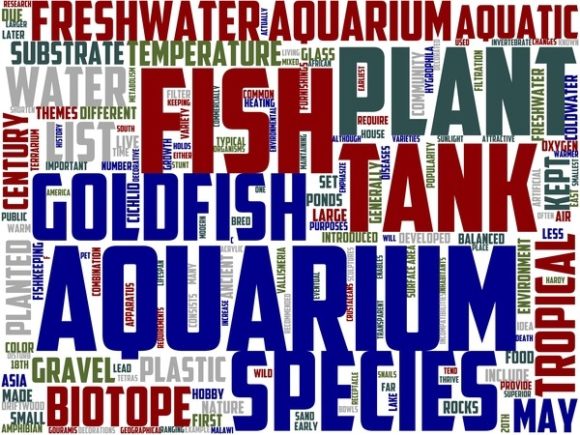
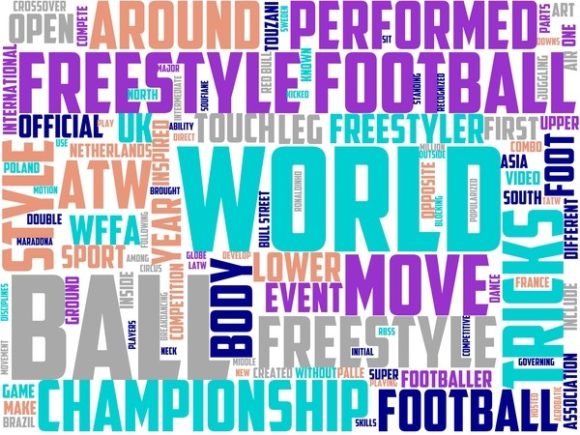
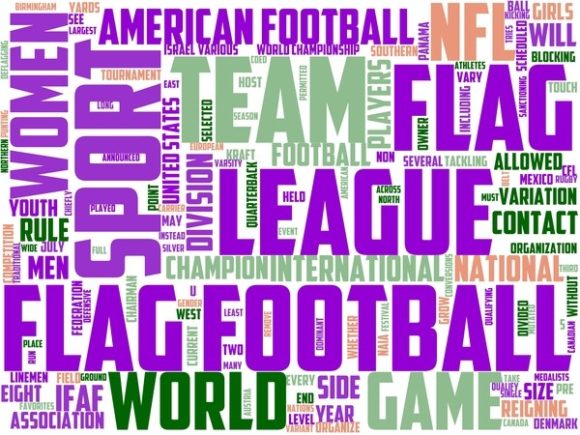
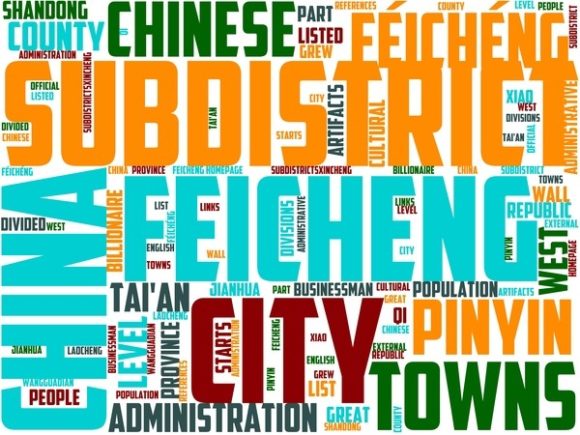
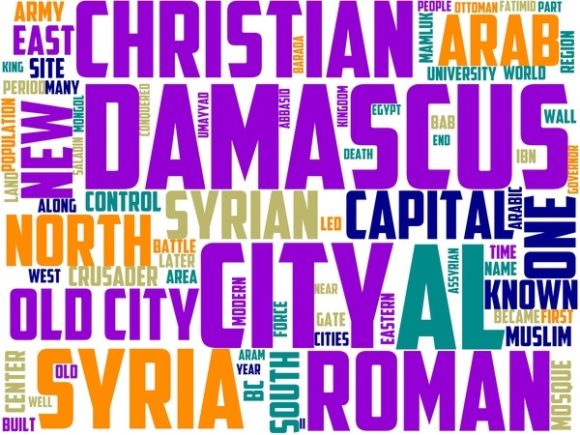
If you’ve ever scrolled through a design marketplace and paused mid-feed—not because something’s flashy, but because it *feels* quietly right—you’ve likely stumbled upon Damascus Wordart Print. It’s not a font in the traditional sense. It’s a hand-drawn, colorful wordcloud rendered as a cohesive, scalable vector asset: organic, layered, expressive, and deeply human. Each word is carefully placed—not algorithmically scattered—so that balance, rhythm, and visual weight emerge naturally. Think of it less as text and more as a textured illustration built from language itself.
A Wordcloud That Breathes Like a Design Element
What sets Damascus Wordart Print apart isn’t just its vivid palette or fluid linework—it’s how it functions across contexts. Unlike rigid typographic systems, this wordcloud behaves like a design asset with personality: warm but grounded, playful but intentional, decorative without sacrificing clarity. The hand-drawn quality gives it authenticity; the intentional spacing and overlapping elements create depth without clutter. It doesn’t shout—it invites closer looking. That makes it unusually versatile: equally at home on a linen pillowcase as it is anchoring the cover of an indie wellness e-book or forming the centerpiece of a boutique wedding invitation suite.
You’ll notice it avoids the flatness of many digital wordclouds. There’s subtle variation in line weight, slight irregularities in letterforms, and intentional color shifts that mimic natural pigment behavior—like watercolor bleeding softly at the edges. That tactile realism helps it translate well to physical media: screen-printed fabric, foil-stamped packaging, or ceramic mug transfers all retain its warmth and character.
Where It Earns Its Place—Not Just Its Spot
For designers and small business owners, Damascus Wordart Print shines where emotional resonance matters more than neutrality. It’s rarely the right choice for a bank’s annual report—but it’s ideal for a yoga studio’s seasonal workshop banner, a craft brewery’s limited-edition label, or a children’s book illustrator’s social media post announcing a new title. Its strength lies in supporting narrative, not replacing it.
In branding, it works best as a secondary or accent element—not your primary logo typeface, but the vibrant heart inside your brand story. Pair it thoughtfully: against clean sans serifs (like Inter or Poppins) for contrast, or over muted, natural-toned photography to let its colors sing. In editorial design, it adds texture to chapter openers or pull quotes without competing with body copy. For textile designers, its scalability means it adapts gracefully from scarf repeat patterns to oversized tote bag prints—no pixelation, no loss of nuance.
Readability here operates differently than in body text fonts. You’re not scanning paragraphs—you’re absorbing mood, theme, and intention in one glance. That’s why it performs so well on products where context is short-lived: stickers, magnets, postcards, or event signage. Viewers grasp the core idea instantly—“community,” “wander,” “create,” “bloom”—and feel the tone before reading a single word fully.
Practical Fit: How to Know If It’s Right for Your Project
Before adding Damascus Wordart Print to your next layout, ask three things: Is meaning layered or singular? Is warmth or precision more important here? Will this be seen up close—or at arm’s length?
If your goal is layered storytelling—say, illustrating “resilience” through words like *grow*, *pause*, *listen*, *rise*, *rest*—this wordcloud excels. But if you need strict hierarchy (e.g., a headline + subhead + CTA), it’s better used as background texture or a supporting graphic, not structural typography.
Test it early in your workflow. Drop it into a mockup at actual size—on fabric, on a business card, on a phone screen. Does it hold its charm? Does the color contrast work against your background? Some versions include light/dark variants or editable color swatches; use those to match brand palettes without flattening its vibrancy.
Commercial licensing is straightforward: most reputable sources offer extended licenses covering print-on-demand, merchandise, and digital distribution—including e-books and online courses. Always verify license scope before applying it to physical products sold via Etsy, Shopify, or Amazon Merch. And remember: while Damascus Wordart Print is flexible, it’s not infinitely scalable in *all* directions. At very small sizes (under 1.5 cm wide in print), fine details blur. Reserve it for medium-to-large applications where its craftsmanship can be appreciated.
Pairing With Purpose—Not Just Aesthetics
Font pairing isn’t about matching styles—it’s about balancing roles. Damascus Wordart Print brings voice and texture. So pair it with typefaces that bring structure: a sturdy geometric sans for captions, a quiet serif for body text, or even a restrained handwritten font for signatures or notes. Avoid other highly decorative or script-heavy fonts—they’ll compete, not complement.
Real-world example: A local ceramics studio uses Damascus Wordart Print (“clay,” “fire,” “form,” “still”) as the focal graphic on their workshop flyer. They pair it with Lora (a warm, readable serif) for event details and Montserrat (clean, neutral) for dates and locations. The result feels handmade but professional—distinctive without being distracting.
Another: A mindfulness blogger embeds a simplified version into her Notion dashboard headers and printable journal pages. She adjusts saturation to match her seasonal palette—soft sage and oat in spring, deep terracotta and charcoal in fall—keeping the wordcloud’s spirit intact while shifting its energy.
More Than Decoration—A Tool for Intentional Making
What makes Damascus Wordart Print enduring isn’t trendiness—it’s utility rooted in craft. It saves time without sacrificing soul. It offers ready-made visual poetry for creators who value both efficiency and authenticity. Whether you're designing a festival poster, prototyping a candle label, drafting a newsletter header, or brainstorming a brand refresh, it’s a reminder that words don’t always need to be linear to be meaningful.
Use it when you want people to pause, smile, and feel seen—not just informed. Use it when your product, message, or space deserves texture that breathes. And use it knowing that behind every curve and color shift is a deliberate human hand—not code, not automation, but care made visible.