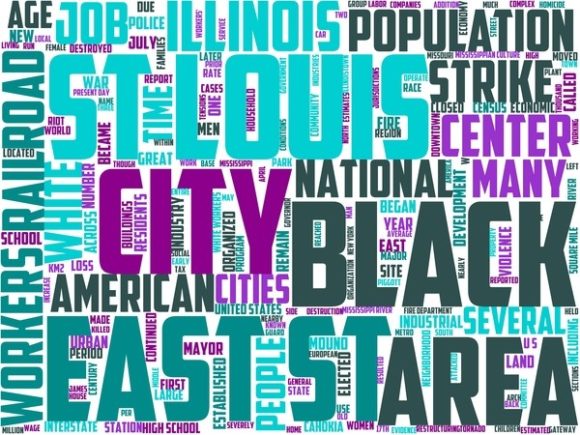
East Saint Louis Wordart Background
East Saint Louis Wordart Background isn’t just another digital asset—it’s a vibrant, hand-drawn wordcloud rooted in place, personality, and purpose. Designed with intention, it features colorful, organic typography arranged to evoke energy, community, and authenticity. Unlike generic word clouds generated by algorithms, this background is crafted by hand: each letter shaped with care, every color chosen for contrast and warmth, and the overall composition built to breathe on fabric, paper, or screen. Its strength lies in its versatility—and its grounding in real cultural resonance.
Why This Wordart Stands Out
Most word clouds prioritize density over design—jamming terms into a shape without regard for rhythm, legibility, or emotional tone. East Saint Louis Wordart Background flips that script. It balances visual interest with clarity: words like “resilience,” “unity,” “growth,” “legacy,” and “creativity” appear—not as filler, but as intentional anchors. The hand-drawn style adds humanity; the layered colors (terracotta, indigo, sunflower yellow, deep green) reflect both urban vibrancy and natural warmth. And because it’s delivered as a high-resolution, scalable vector or PNG, it holds up whether printed on a 4” sticker or stretched across a 48” poster.
Crafting With Purpose: Real Applications
This background thrives where meaning meets medium. Here’s how different creators are using it—practically and thoughtfully:
- Textile designers scale and repeat sections of the wordart to create subtle all-over prints for tote bags, aprons, or quilt blocks—then pair it with solid-color borders to keep focus on message and texture.
- Educators and youth program coordinators isolate individual words (“courage,” “listen,” “imagine”) to build classroom posters or student-made affirmation cards—printing on cardstock, cutting by hand, and laminating for durability.
- Small business owners layer the wordart behind clean sans-serif headlines in Canva or Illustrator to produce event banners (“East Saint Louis Youth Art Fair 2024”)—keeping brand fonts prominent while letting the background add local flavor and warmth.
- Self-publishers and indie authors use cropped, low-opacity versions as textured backgrounds for chapter title pages or ebook cover accents—adding depth without competing with title hierarchy.
- Scrapbookers and mixed-media artists print on kraft paper or vellum, then cut out phrases to collage onto journals or shadow boxes—blending tactile materials with intentional language.
Adapting for Your Audience and Goals
The same East Saint Louis Wordart Background serves very different needs depending on who you’re speaking to—and how. A nonprofit hosting a neighborhood mural project might emphasize words tied to civic pride and collaboration, then apply the background to volunteer sign-up sheets and thank-you postcards. A boutique apparel brand could extract bold, isolated words (“rise,” “create,” “belong”) and embroider them onto denim jackets—making the message wearable and personal. An educator building a social-emotional learning toolkit might convert the wordcloud into a printable matching game: students pair words with definitions or real-life examples.
Key to success? Editing, not just applying. Don’t drop the full background onto every layout. Instead, ask: What’s the primary action I want someone to take? What’s the core idea I need them to remember? Then simplify—mask out less relevant words, adjust saturation for accessibility, or rotate a section to fit vertical packaging. Consistency matters too: if you’re using this wordart across business cards, email headers, and Instagram story templates, keep color balance and scale within 10–15% variance so it feels like part of a system—not a one-off decoration.
Designing Thoughtfully Across Formats
Because this background was made for real-world use—not just digital display—it responds well to thoughtful adaptation:
- For apparel: Convert to black-and-white line art first, then recolor in Pantone-matched inks for screen printing. Test on fabric swatches—some colors shift dramatically on cotton vs. polyester.
- For packaging: Use only the top third of the composition on a product tag or box flap. That area tends to hold the most balanced mix of size, spacing, and key terms—ideal for quick scanning at shelf level.
- For digital use: Save two versions—one at full opacity for hero banners, another at 15–20% opacity as a subtle texture under body text in newsletters or landing pages.
- For presentations: Isolate 3–5 words and animate them sequentially on slide builds—giving audiences time to absorb meaning without visual overload.
Making It Your Own—Without Losing Its Core
Customization is encouraged—but stay grounded in what makes this wordart useful in the first place: its human-made quality, its regional resonance, and its functional flexibility. Swap out a word only if it strengthens relevance—for example, replacing “innovation” with “stewardship” for an environmental workshop. Add your logo or tagline, but position it with clear visual hierarchy: let the wordart support, not compete with, your core message. When printing on dark surfaces, reverse key phrases into white or light gold foil for impact—but test readability first with actual users, not just on-screen previews.
A Tool, Not a Trend
East Saint Louis Wordart Background endures because it answers a practical need: how to communicate layered ideas—place, values, identity—in a single glance. It doesn’t replace strategy; it sharpens it. Whether you’re designing a library summer reading program flyer, prototyping a new line of ceramic mugs, or developing curriculum materials for after-school STEM clubs, this background gives you a starting point rooted in authenticity—not abstraction. It invites participation, not passive viewing. And that’s where real creativity begins: not in perfection, but in purposeful making.
So open your design software, pull up the file, and start small. Try one application this week—a notebook cover, a social media graphic, a set of gift tags. See how the words land. Adjust. Refine. Repeat. The best results rarely come from grand gestures—but from consistent, considered choices, made by people who know their audience, their medium, and their message.