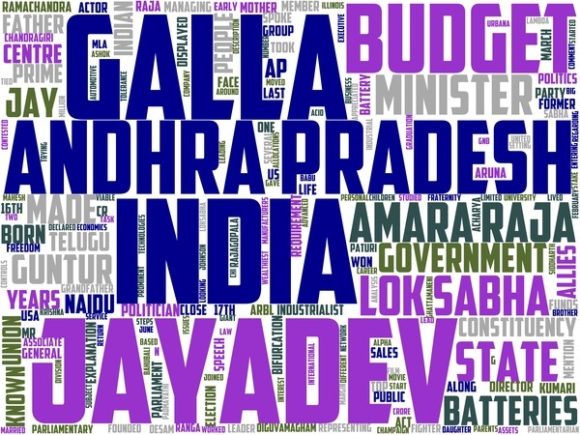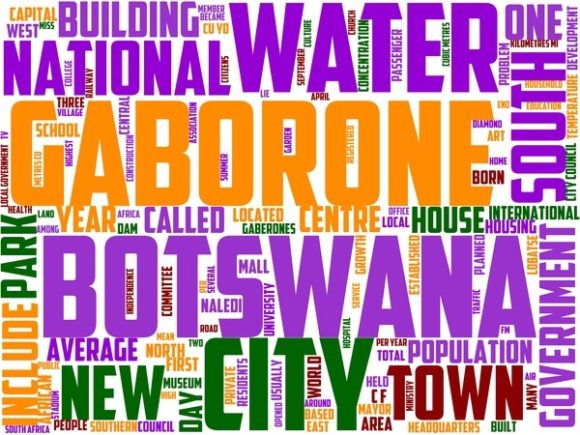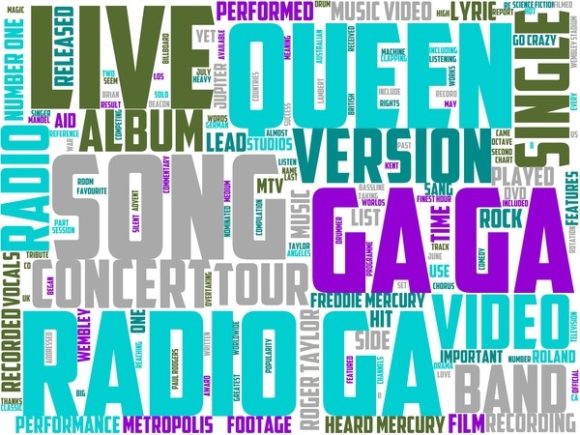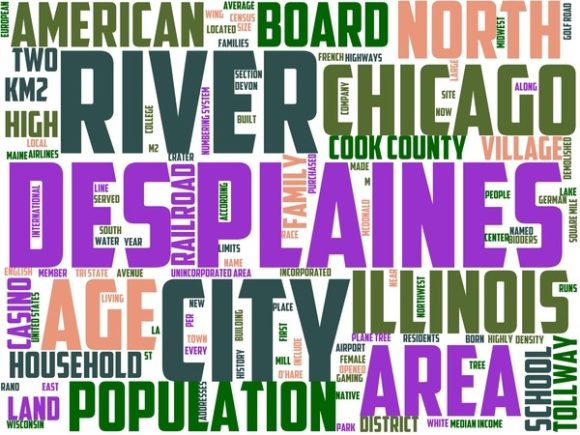
Des Plaines Wordart Sublimation
Des Plaines Wordart Sublimation refers to a specific collection of hand-drawn, colorful wordcloud designs optimized for sublimation printing. These are not generic digital fonts or AI-generated layouts — they are original, artisan-crafted illustrations where words are arranged organically into visually balanced, thematic clusters. The “Des Plaines” designation typically signals origin or branding tied to a creator or studio based in Des Plaines, Illinois, though the term now functions more broadly as a stylistic identifier within craft and print-on-demand communities.
These wordclouds are delivered as high-resolution, transparent-background PNG files (often 300 DPI or higher), with layered or grouped elements that support easy color adjustment and resizing without quality loss. They’re designed to transfer cleanly onto polyester-rich fabrics and coated substrates using heat and sublimation ink — making them suitable for apparel, home goods, promotional items, and printed collateral.
Why Consider Des Plaines Wordart Sublimation?
Designers, small-batch makers, educators, and marketing coordinators often seek word-based graphics that convey tone, theme, or values quickly and memorably. A well-structured wordcloud can communicate concepts like “gratitude,” “community,” “creativity,” or “resilience” at a glance — especially when paired with intentional typography, spacing, and color harmony. Des Plaines Wordart Sublimation stands out because its hand-drawn aesthetic avoids the mechanical repetition common in algorithmic wordcloud tools. This gives projects a distinctive, human-centered feel — useful when authenticity and warmth matter more than strict data visualization.
It’s particularly relevant for users who need versatile, ready-to-use assets but lack time or expertise to design from scratch. Since each file is pre-optimized for sublimation, it reduces trial-and-error around bleed, registration, and ink saturation — important considerations for beginners entering heat-transfer workflows.
Key Benefits and Realistic Expectations
Consistency across applications: Because the artwork is vector-influenced (though raster-based), scaling remains stable up to standard print sizes (e.g., 12×12 inches for mugs or tote bags). Colors hold well on white or light-colored polyester blends, and many sets include alternate palettes or grayscale versions for flexibility.
Broad compatibility: These files work with most major sublimation software (Sawgrass Creative Studio, Silhouette Studio, CorelDRAW, Adobe Photoshop) and cutting/heat-press workflows. No special plugins or proprietary platforms are required.
Time efficiency: Integrating a Des Plaines Wordart Sublimation design into a product mockup or production queue typically takes minutes — not hours — assuming basic familiarity with your printer’s color profile and substrate requirements.
However, expectations should be grounded. These are decorative assets, not functional templates. They don’t auto-generate new words or adapt layout dynamically based on text input. Customization requires manual editing — changing individual word colors, adjusting spacing, or repositioning elements — which may demand intermediate-level design software skills. Also, while the hand-drawn style adds charm, it limits precision for applications requiring strict typographic hierarchy (e.g., legal disclaimers or multilingual signage).
Situations Where It’s a Strong Fit
Des Plaines Wordart Sublimation works well when your goal is expressive, non-literal communication across tactile or visual media. Examples include:
- Creating limited-run apparel for school spirit days, wellness retreats, or team-building events — where thematic resonance matters more than exact wording;
- Designing classroom posters or bulletin board kits that emphasize vocabulary themes (e.g., “growth mindset,” “science inquiry”) without relying on clip art;
- Producing boutique merchandise like ceramic mugs, cotton-poly blend pillow covers, or aluminum water bottles where soft edges and illustrative texture enhance perceived value;
- Developing cohesive branded collateral — such as workshop handouts, event programs, or digital printables — that maintain visual continuity across physical and screen-based formats.
In all these cases, the emphasis is on emotional impact, brand personality, and ease of integration — not technical fidelity or scalability to billboard-size output.
When Alternatives May Be More Appropriate
If your project demands strict legibility at small sizes (e.g., business card text or QR code labels), a custom-typed layout or professionally kerned font treatment will likely serve better. Similarly, if you need to update wording frequently — say, rotating motivational quotes weekly on social media banners — a parametric tool like WordClouds.com or a Canva template may offer faster iteration, even if the aesthetic feels less unique.
For commercial licensing at enterprise scale — such as embedding wordclouds into SaaS dashboard interfaces or mass-market packaging — verify usage rights explicitly. Not all Des Plaines Wordart Sublimation packages include extended or unlimited redistribution rights; some are licensed strictly for single-user, small-batch physical production.
Also consider alternatives if color accuracy is mission-critical. While files are supplied in RGB, sublimation output varies by printer model, ink batch, and substrate composition. If Pantone-matching or CMYK offset printing is required, a designer may need to rebuild the layout from scratch using vector equivalents.
Making an Informed Decision
To assess whether Des Plaines Wordart Sublimation aligns with your needs, ask yourself three questions:
- What’s the primary medium? If you’re printing mostly on polyester fabric, coated ceramics, or aluminum, sublimation-ready artwork is practical. For uncoated paper, wood, or dark garments, other techniques (DTG, screen printing, vinyl) may be more reliable — and different asset types would apply.
- How much customization do you anticipate? If you plan to reuse the same base design across dozens of products with only minor tweaks (e.g., swapping one word or adjusting hue), Des Plaines Wordart Sublimation saves time. If you expect frequent structural changes — adding icons, integrating photos, or building multi-layer compositions — investing in editable vector sources or hiring a designer could yield better long-term control.
- Who is the end user? Educators, therapists, faith communities, and wellness practitioners often respond positively to organic, inclusive visual language — precisely what this style delivers. Corporate clients focused on innovation metrics or technical specifications may prefer cleaner, data-driven layouts.
Finally, review sample files before purchasing. Check resolution, transparency handling, and layer organization. Test a small print run on your intended substrate to confirm how line weight and color gradients translate under heat and pressure. That real-world validation is more informative than any description.